Mastering Your Android 3 Camera: A 2025 Guide to Stunning Photos
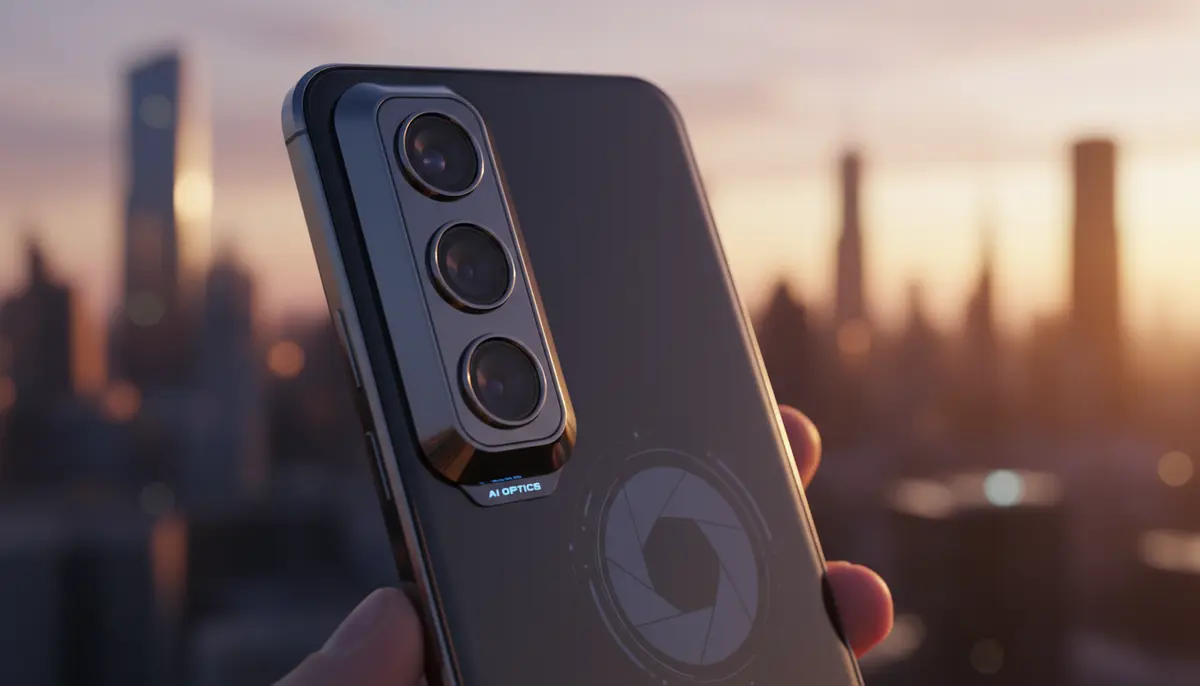
Smartphone photography has come a long way. In 2025, the standard for capturing incredible moments is undoubtedly the powerful android 3 camera system. These devices offer versatility and quality that were once only possible with professional gear. You can now capture everything from sweeping landscapes to detailed close-ups with just one device. This guide will help you understand and master your triple-lens Android phone.
Modern Android cameras are packed with features. If you want to dive deeper into the general capabilities of your device, check out our comprehensive guide to Android camera features. It covers many essential aspects of mobile photography.
What is an Android 3 Camera System?
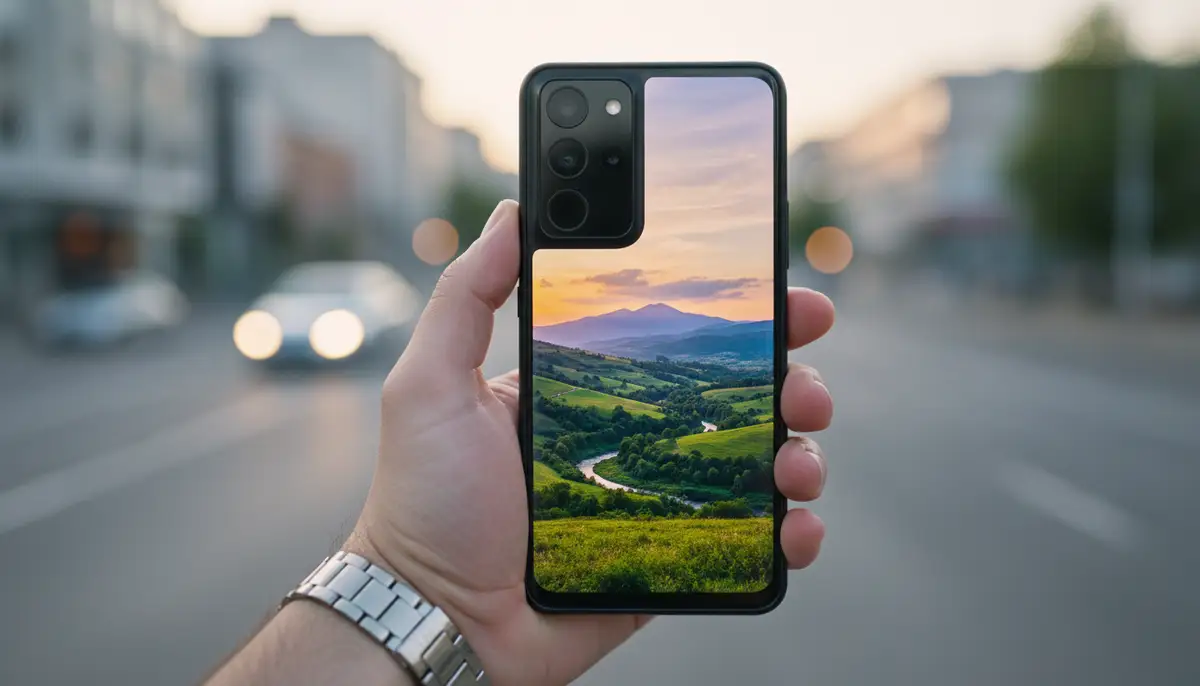
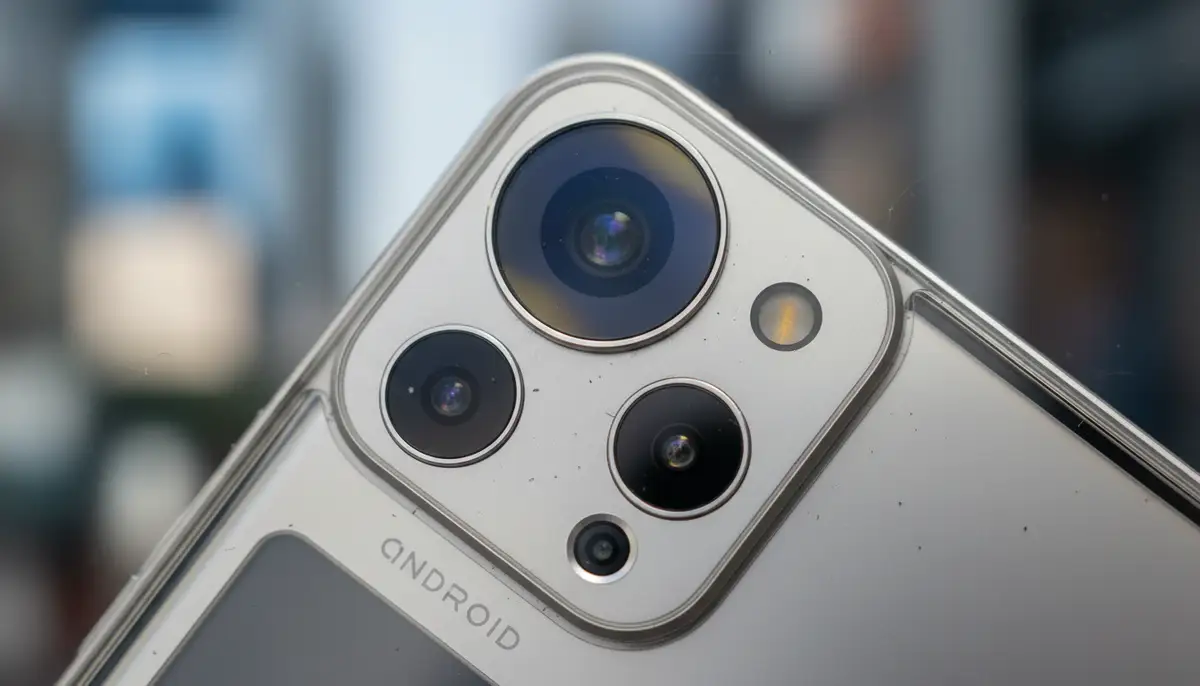
An android 3 camera system simply means your smartphone has three distinct camera lenses on its rear. Each lens serves a specific purpose, working together to give you a wide range of photographic options. This setup moves beyond the limitations of single or dual-lens phones. It provides greater flexibility and improved image quality in various scenarios.
Typically, these three lenses include a main wide-angle lens, an ultrawide-angle lens, and a telephoto lens. However, some manufacturers might swap the telephoto for a macro or depth sensor. This combination allows your phone to adapt to different shooting conditions. You get more creative control at your fingertips.
The Power of Three: Why Triple Cameras Matter
The jump from one or two cameras to an android 3 camera system is significant. It’s not just about having more lenses; it’s about what those lenses enable. You gain access to a wider field of view, closer zooms, and better depth information. This greatly enhances your photos.
- Unmatched Versatility: Switch seamlessly between wide, ultrawide, and zoomed perspectives without losing image quality.
- Improved Image Quality: Dedicated lenses often mean better optics and larger sensors for specific tasks.
- Enhanced Depth Perception: A dedicated depth sensor (or advanced AI) creates more natural-looking portrait mode bokeh.
- Creative Freedom: Experiment with different focal lengths to tell your story in unique ways.
Key Components of a Modern Android 3 Camera Setup
Let’s break down the typical lenses you’ll find in a cutting-edge android 3 camera system in 2025. Understanding each one helps you use your phone to its full potential.
The Main Sensor: Your Everyday Workhorse
This is often the most advanced lens on your phone. It usually boasts the highest megapixel count and the largest sensor size. The main sensor excels in everyday situations, from bright daylight to challenging low-light conditions. It’s your go-to for most photos.
- High Resolution: Captures incredible detail, allowing for cropping without significant loss of quality.
- Large Aperture: Lets in more light, leading to better low-light performance and natural background blur.
- Optical Image Stabilization (OIS): Reduces blur from shaky hands, especially crucial for photos and videos in dim light.
The Ultrawide Lens: Capturing the Big Picture
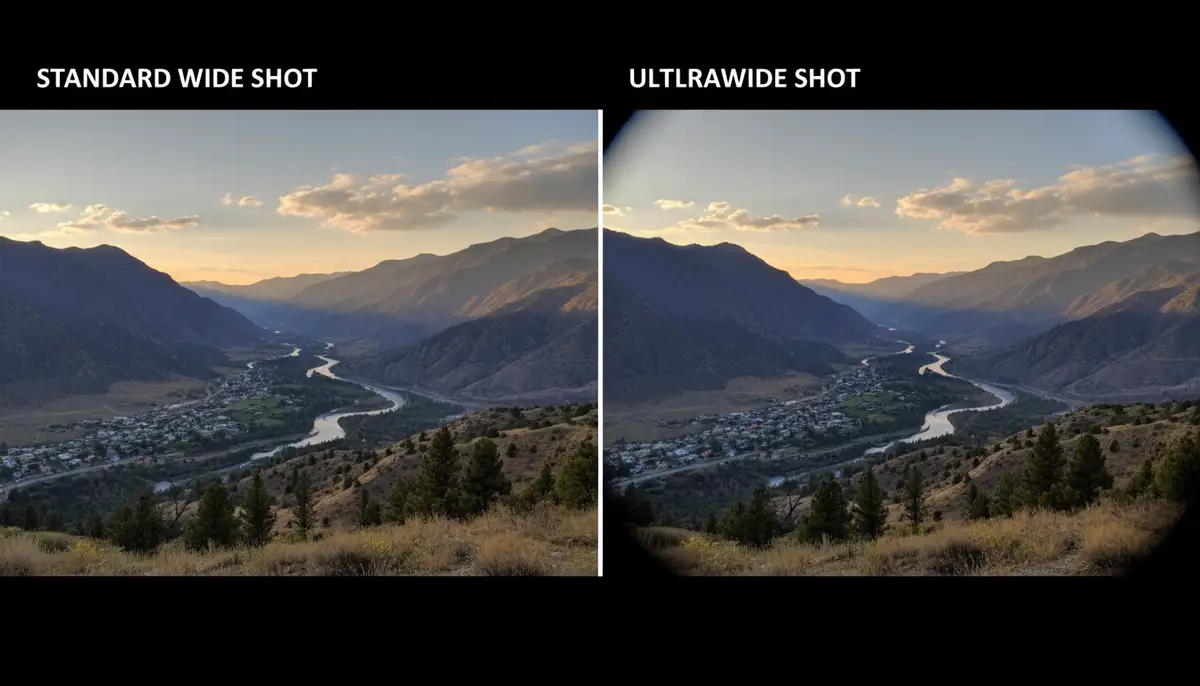
The ultrawide lens is perfect for landscapes, group photos, and architectural shots. It captures a much broader field of view than your main camera. This allows you to fit more into the frame without stepping back. It’s fantastic for dramatic perspectives.
However, be mindful of distortion at the edges of the frame. Some phones automatically correct this, but it’s something to watch for. Using the ultrawide lens adds a unique, expansive feel to your photography.
The Telephoto Lens: Bringing Subjects Closer
A telephoto lens provides optical zoom, meaning it magnifies your subject without relying on digital cropping. This results in much sharper images of distant objects compared to digital zoom. It’s also excellent for portraits, as it creates a pleasing compression effect and natural background blur.
Common optical zoom levels are 2x, 3x, or even 5x on some premium models. This dedicated lens truly elevates your ability to capture subjects from afar. It helps you get up close without physically moving.
Alternative Third Lenses: Macro and Depth Sensors
While telephoto is common, some android 3 camera setups use different third lenses. A macro lens allows for extreme close-up photography, revealing intricate details of small objects. Think tiny insects or textures. A depth sensor, on the other hand, doesn’t take photos itself. Instead, it gathers depth information to improve portrait mode effects, making the background blur more accurate.
Advanced Features Beyond the Lenses
The hardware is only part of the story. Modern android 3 camera systems heavily rely on software to produce stunning results. Computational photography is the secret sauce behind many incredible smartphone photos.
Computational Photography: AI at Work
Your phone’s processor and AI algorithms work tirelessly behind the scenes. They combine multiple exposures, enhance colors, and reduce noise. Features like HDR+ (High Dynamic Range) balance bright and dark areas. Night Mode stitches together several shots to create bright, detailed low-light images. These processes happen in an instant, giving you professional-looking photos effortlessly.
Pro Mode: Taking Manual Control
For those who want more control, Pro Mode is invaluable. It lets you manually adjust settings like ISO, shutter speed, white balance, and focus. This is where you can truly express your creativity. Mastering these controls allows you to overcome challenging lighting or achieve specific artistic effects. Many photography apps, like Camera ZOOM FX, offer professional controls that elevate your mobile photography experience even further.
Video Capabilities: More Than Just Stills
An android 3 camera isn’t just for photos. Modern phones record stunning 4K video, often at 60 frames per second. Features like cinematic mode, slow-motion, and hyperlapse add professional touches to your videos. Advanced stabilization, both optical and electronic, ensures your footage looks smooth and steady. If you’ve ever wondered why your Android camera is blurry in videos, stabilization is often key.
Choosing Your Android 3 Camera Phone in 2025
With so many options, picking the right android 3 camera phone can feel overwhelming. Consider your budget, your primary use cases, and the overall software experience. Many excellent devices are available across different price points.
Budget Considerations: Flagship vs. Mid-Range
Flagship phones offer the absolute best in camera technology. They feature larger sensors, more advanced computational photography, and premium build quality. However, many mid-range phones now offer fantastic triple-camera systems that provide excellent value. You can find many 3 camera phone options on Amazon to suit various budgets.
Specific Needs: What Do You Photograph Most?
Are you a travel photographer who needs stunning landscapes? Or do you primarily shoot portraits of friends and family? Your specific needs should guide your choice. Some phones excel in low light, while others offer incredible zoom capabilities. For a deeper dive into top-rated models, explore advanced triple camera phones that match your preferences.
Software Experience and Ecosystem
Beyond the hardware, the camera app’s user interface and features are crucial. Some brands offer more intuitive interfaces, while others provide deeper manual controls. Consider the overall Android experience. Also, think about the ecosystem of photo editing apps. Companies like camera360.com, zcamera.me, and snapseed.online offer powerful editing solutions. Your choice of phone and apps will shape your photography journey.
| Camera Type | Best Use Case | Key Benefit |
|---|---|---|
| Main Wide-Angle | Everyday shots, general photography | High detail, good low light |
| Ultrawide-Angle | Landscapes, group photos, architecture | Expansive field of view |
| Telephoto | Portraits, distant subjects | Optical zoom, background compression |
| Macro | Extreme close-ups, small details | Intricate magnification |
| Depth Sensor | Portrait mode, background blur | Accurate depth mapping |
Maximizing Your Android 3 Camera: Tips and Tricks
Having a powerful android 3 camera is great, but knowing how to use it effectively is even better. Here are some tips to help you get the most out of your device.
Understanding Each Lens: When to Switch
Don’t just stick to the main lens. Experiment! Use the ultrawide for sweeping vistas or when you’re in a tight space. Switch to the telephoto for stunning portraits or to capture details from afar. Practice makes perfect when deciding which lens suits the moment best. Your android 3 camera setup is designed for this flexibility.
Mastering Pro Mode Settings
Dive into Pro Mode. Learn about ISO, which controls light sensitivity. Adjust shutter speed to freeze motion or create artistic blur. White balance ensures accurate colors. Experiment with manual focus for creative depth of field. Even small adjustments can make a huge difference in your photos. Apps like Camera ZOOM FX provide these pro-level controls in an intuitive interface.
Post-Processing: The Final Touch
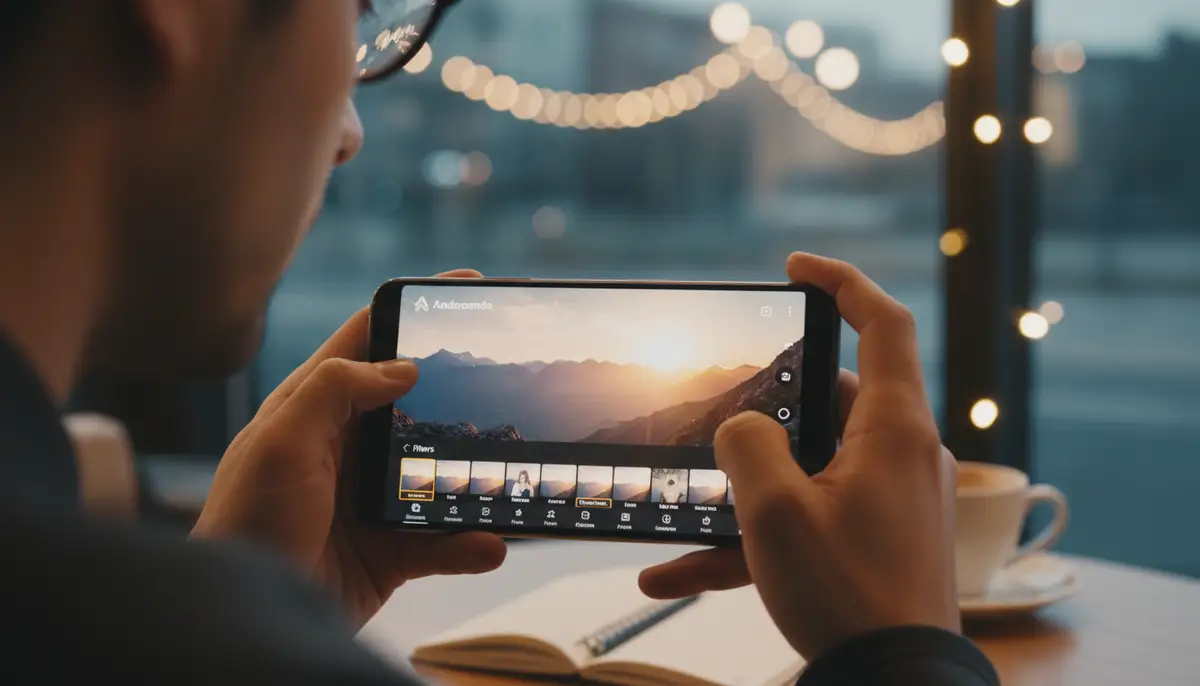
Even the best photos can benefit from a little editing. Adjust exposure, contrast, and saturation. Crop to improve composition. Many Android phones have excellent built-in editing tools. Alternatively, download a dedicated app like Camera ZOOM FX for its stunning filters and powerful editing suite. A quick edit can transform a good photo into a great one.
For an interesting perspective on how smartphone technology is evolving, watch this video:
. It shows how even non-flagship phones are pushing boundaries.
The Future of Android 3 Camera Technology
The evolution of the android 3 camera is far from over. We can expect even more sophisticated computational photography. This means better low-light performance, more intelligent scene recognition, and even more seamless switching between lenses. Periscope lenses will offer even greater optical zoom ranges without increasing phone thickness.
Variable apertures, already seen in some devices, could become more common. This allows the phone to adjust how much light hits the sensor, mimicking traditional camera lenses. The integration of augmented reality (AR) and virtual reality (VR) with camera capabilities will also open up new creative avenues. Your android 3 camera will become an even more powerful tool for interacting with the world.
Common Issues and Solutions with Android 3 Camera Systems
Even with advanced technology, you might encounter some common photography challenges. Knowing how to address them helps you get the best shots.
- Low Light Noise: Even with Night Mode, very dark scenes can show graininess. Try finding a stable surface or using a small tripod. Experiment with Pro Mode to manually lower ISO and slightly increase shutter speed.
- Lens Flare: Bright light sources can cause unwanted flares. Try to shield your lens with your hand (without getting it in the shot) or adjust your shooting angle.
- Shaky Video: Despite OIS, fast movements can still result in shaky footage. Use a gimbal or a stable shot camera feature if available to smooth out your videos.
- Distortion on Ultrawide: Objects at the very edge of the frame can appear stretched. Keep important subjects closer to the center when using the ultrawide lens.
Conclusion: Embrace the Android 3 Camera Revolution
The android 3 camera system has truly revolutionized mobile photography in 2025. It offers unparalleled versatility, stunning image quality, and endless creative possibilities. By understanding each lens and leveraging advanced software features, you can capture breathtaking photos and videos right from your pocket.
Don’t be afraid to experiment with your android 3 camera. Explore different modes, adjust settings, and discover your unique photographic style. The power to create incredible images is literally in your hands. So go out there, start shooting, and share your amazing world through the lens of your triple-camera Android phone!