Unlocking Your Camera’s Lifespan: What is Shutter Count?
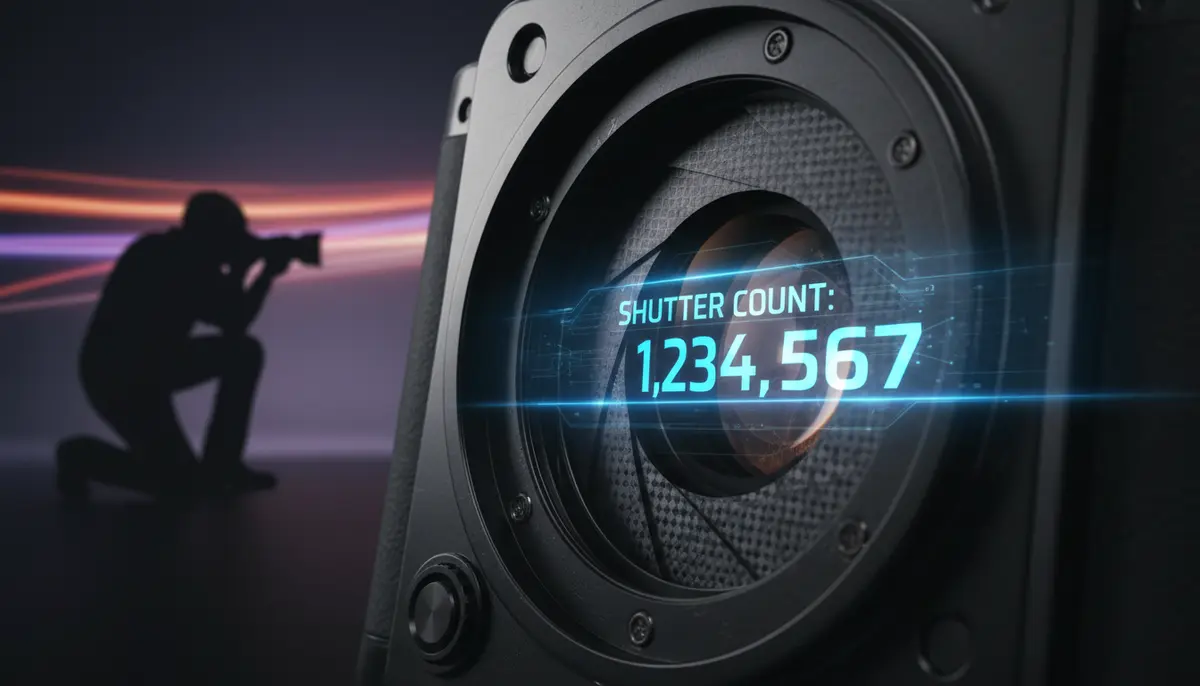
Every photographer eventually hears the term “shutter count.” It is a vital piece of information. But what is shutter count, exactly? Simply put, it’s the total number of photos your camera has taken using its mechanical shutter. Think of it as your camera’s odometer. Just like a car, a camera’s mechanical parts have a finite lifespan. This number tells you how much life your camera’s most critical moving part has left.
Understanding what is shutter count helps you gauge the wear and tear on your device. It’s a key metric for both buyers and sellers of used cameras. For digital cameras, especially DSLRs and many mirrorless models, the shutter is a physical component. It opens and closes with every photo. Each time it moves, it adds one to the shutter count. This action contributes to its eventual mechanical fatigue.
Knowing this number helps you make informed decisions. You can better understand your camera’s potential longevity. It also impacts its resale value significantly. Whether you are a casual shooter or a professional, paying attention to what is shutter count is a smart move for camera ownership. It gives you insight into its overall health and expected future performance.
The Mechanical Heartbeat: Deep Dive into What is Shutter Count
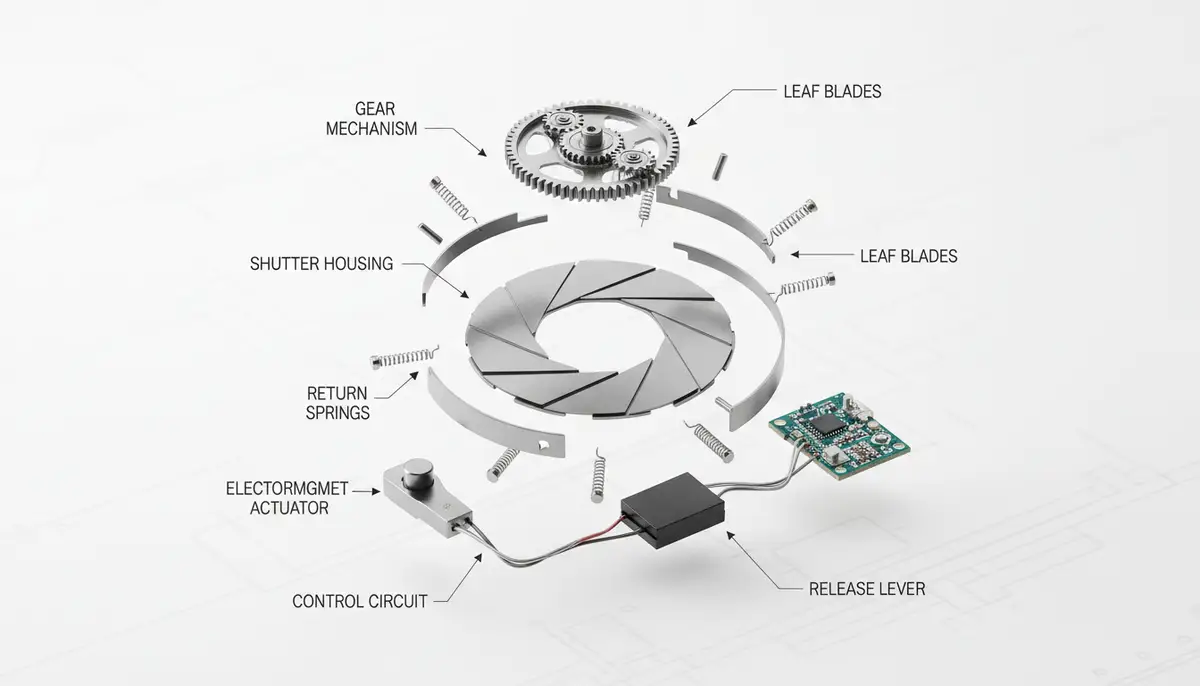
The mechanical shutter is a marvel of engineering. It consists of two curtains. These curtains move rapidly across your camera’s sensor. They control the amount of light that hits the sensor. This precise movement happens in milliseconds. It allows you to capture stunning images with perfect exposure. Each time these curtains actuate, the shutter count increases by one.
This physical action is what differentiates a still photo from video recording. When you shoot video, the mechanical shutter typically remains open. The sensor continuously captures light. Therefore, video recording does not add to your camera’s shutter count. This is an important distinction for photographers who shoot a lot of video. Your shutter count only reflects still images captured with the mechanical shutter.
Even in modern mirrorless cameras with electronic shutters, the mechanical shutter still plays a role. It often acts as a protection for the sensor when the camera is off. Many photographers still use the mechanical shutter for specific scenarios. They might prefer it for flash photography or to avoid rolling shutter effects. Understanding this mechanism is key to fully grasping what is shutter count and its implications.
Why Does Shutter Count Matter So Much?
The shutter mechanism is a camera’s most actively used moving part. It undergoes significant stress with every click. Over time, these movements cause wear and tear. Eventually, the shutter can fail. This failure might mean it stops working altogether. Or it could start firing inconsistently. This leads to uneven exposures or completely blank frames. This is why knowing what is shutter count is so important.
Think of it like the engine in a car. A car with 200,000 miles on the odometer has more wear than one with 20,000 miles. Similarly, a camera with a high shutter count has seen more action. It is closer to the end of its expected life. This doesn’t mean it will fail tomorrow. However, the risk of failure increases significantly. It’s a crucial indicator of the camera’s overall condition and remaining lifespan.
For photographers, this translates directly to reliability. A failing shutter can ruin important shoots. It can lead to costly repairs. Therefore, a lower shutter count generally means more reliable performance in the long run. It also affects the camera’s market value. A camera with a low shutter count will command a higher price. It offers more peace of mind to the next owner. For a deeper dive into this topic, you can read more about what is shutter count, and why does it matter?.
Moreover, understanding what is shutter count helps you plan for future upgrades. If your camera is approaching its estimated lifespan, you might start saving for a replacement. This proactive approach saves you from unexpected equipment failure. It ensures you always have reliable gear ready for your next project. This foresight is invaluable for both hobbyists and professionals alike.
Understanding Shutter Actuations and Expected Lifespan
Camera manufacturers provide an estimated shutter life expectancy for their models. This rating is often expressed in cycles, such as 100,000, 150,000, or even 400,000 actuations. These numbers are based on extensive testing. They represent the average number of clicks before a shutter mechanism is expected to fail. However, these are just estimates. Many cameras exceed these numbers. Some may fail earlier.
These ratings serve as a general guideline. A professional-grade camera typically has a higher shutter life rating. This reflects its more robust construction. Entry-level cameras usually have lower ratings. This doesn’t mean an entry-level camera is bad. It just means its components are designed for less intensive use. Always check the manufacturer’s specifications for your specific model. This gives you a baseline for what is shutter count for your device.
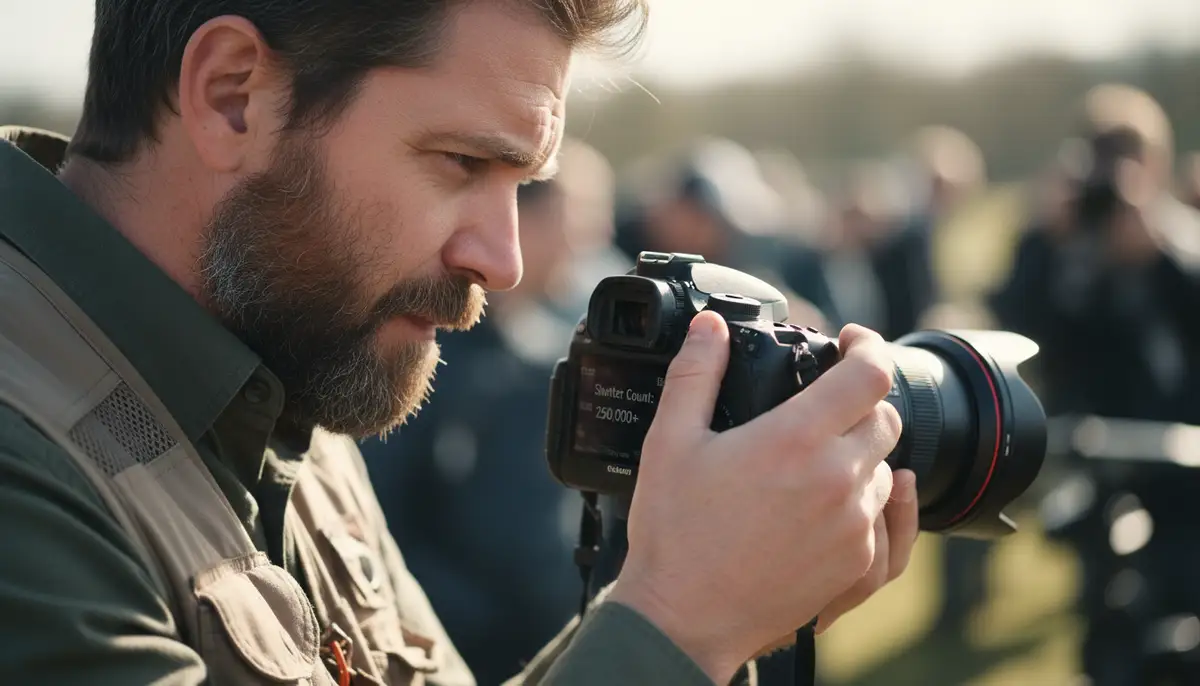
Several factors can influence the actual lifespan of a shutter. These include how often you use burst mode. Extreme temperatures can also play a role. Dust and moisture can accelerate wear. Regular maintenance and careful handling can help extend your camera’s life. Conversely, rough handling or frequent drops can shorten it. So, while the rating is a guide, your usage habits are also critical. Understanding what is shutter count in relation to these factors provides a complete picture.
| Camera Type | Typical Shutter Lifespan (Actuations) | Example Models |
|---|---|---|
| Entry-Level DSLR/Mirrorless | 50,000 – 100,000 | Canon Rebel series, Nikon D3xxx/D5xxx, Sony a6000 series |
| Mid-Range DSLR/Mirrorless | 100,000 – 200,000 | Canon 80D/90D, Nikon D7xxx series, Sony a7 series (older) |
| Professional DSLR/Mirrorless | 200,000 – 500,000+ | Canon 5D/1D series, Nikon D8xx/D5/D6 series, Sony a7R/a9/a1 series |
How to Find Your Camera’s Shutter Count in 2025
Finding your camera’s shutter count isn’t always straightforward. Unlike a car’s odometer, it’s not typically displayed on the camera’s menu. Most manufacturers don’t make it easily accessible. However, there are several reliable methods you can use. These methods vary depending on your camera brand and model. Knowing these techniques is essential for anyone asking what is shutter count for their gear.
One common way involves checking the EXIF data of your photos. EXIF stands for Exchangeable Image File Format. It’s metadata embedded within every JPEG or RAW file. This data includes information like aperture, ISO, shutter speed, and sometimes, the shutter count. Not all cameras embed this specific piece of information. However, many do, especially Nikon and some Pentax models. This makes it one of the easiest ways to check what is shutter count.
Several online tools and software applications can read this EXIF data for you. You simply upload a recent, unedited photo taken with your camera. The tool then extracts the shutter count. These services are often free and very user-friendly. They provide a quick answer to what is shutter count for your camera. Always use a photo straight from the camera for accuracy. Do not use an edited or resized image, as this can strip the necessary metadata.
For a reliable way to check your camera’s shutter count, you can visit Camera Shutter Count. This site allows you to upload an unedited image. It then quickly retrieves the shutter count for you. It’s a popular and trusted resource among photographers. This tool supports many popular camera brands. It provides a simple solution to a common query. It helps you understand what is shutter count for your specific device.
Different camera brands have different approaches to storing and displaying shutter count. Nikon cameras are generally the easiest. They often embed the shutter count directly into the EXIF data of every JPEG. Canon, however, is more challenging. Many Canon models do not embed this data. You might need specialized software or a trip to a service center. Sony and Fujifilm fall somewhere in between. Some models are easy, others require more effort. Understanding these brand-specific nuances is key when trying to determine what is shutter count.
Additionally, some camera brands, like certain Olympus and Panasonic models, have hidden service menus. You can access these menus by pressing a specific sequence of buttons. These menus often display the shutter count. However, be cautious when navigating service menus. You could accidentally change critical settings. Always follow reliable guides for your specific model. For more detailed information on finding your camera’s shutter count across different brands, you can check out this comprehensive guide. It provides practical steps for various manufacturers.
Checking Shutter Count for Specific Camera Brands
- Nikon: Upload a recent JPEG to online tools like CameraShutterCount.com or use specific software like ExifTool. The count is usually reliably embedded in EXIF data.
- Canon: Often requires third-party software (e.g., EOSInfo for older models, Shutter Count for Mac) or checking a service menu. Newer mirrorless models might embed it in EXIF data for some file types, but it’s less consistent than Nikon.
- Sony: Similar to Canon, often needs third-party tools or direct service menu access, which can be complex. Some newer models are starting to include it in EXIF.
- Fujifilm: Some models embed it in EXIF; others need specific software or a service center visit. It varies significantly by series.
- Olympus/Panasonic: Often accessible via a hidden service menu sequence. Be careful when using these menus to avoid accidental setting changes.
Shutter Count and Buying a Used Camera
When you buy a used camera, the shutter count is one of the most critical pieces of information. It gives you a clear indication of how heavily the camera has been used. A camera with a very high shutter count, especially one approaching or exceeding its manufacturer’s estimated lifespan, carries a higher risk. You might face a shutter replacement sooner rather than later. This can be an expensive repair. Always ask the seller what is shutter count before making a purchase.
What constitutes a “good” shutter count for a used camera? Generally, the lower, the better. For a camera rated for 150,000 actuations, a count of 30,000-50,000 is considered low to moderate. A count over 100,000 is high. It means the camera is nearing the end of its expected life. However, a camera might still function perfectly well beyond its rated lifespan. It’s a gamble. Therefore, understanding what is shutter count helps you assess this risk.
Be wary of sellers who refuse to provide the shutter count. This could be a red flag. It might indicate they are trying to hide a very high number. Always request an unedited JPEG file directly from the camera. This allows you to verify the count yourself using an online tool. Don’t rely solely on a screenshot from the seller. Always confirm what is shutter count independently.
The shutter count also plays a significant role in pricing. A camera with a low shutter count will naturally be more expensive. It offers more expected life. Conversely, a camera with a high shutter count should be priced lower. You can use this information to negotiate the price. If the shutter count is high, you have leverage. You can argue for a discount to account for potential future repair costs. Knowing what is shutter count empowers you in these negotiations.
Beyond shutter count, consider other factors. Check the camera’s cosmetic condition. Look for dents, scratches, or wear on buttons. Inspect the sensor for dust or scratches. Test all functions, including the autofocus and image stabilization. A low shutter count is great, but it doesn’t guarantee a perfect camera. It’s one piece of a larger puzzle. However, it remains a very important piece when evaluating a used camera. Always combine this knowledge with a thorough physical inspection.
What is a “Low” vs. “High” Shutter Count?
Defining “low” and “high” shutter count depends heavily on the specific camera model. For an entry-level camera rated for 50,000 actuations, a count of 20,000 is moderate. A count of 40,000 is high. For a professional camera rated for 300,000 actuations, 50,000 is very low. Even 150,000 might still be considered moderate. It’s all about context. Always compare the current shutter count to the manufacturer’s expected lifespan for that model. This gives you a true perspective on what is shutter count for that device.
A camera used by a professional photojournalist will likely have a much higher shutter count. They shoot thousands of photos weekly. A hobbyist who shoots occasionally will have a much lower count. This distinction is important. A high shutter count on a pro-grade camera might still mean it has been well-maintained. It was designed for heavy use. However, a very high count on an entry-level camera suggests it was pushed beyond its intended limits. This makes understanding what is shutter count even more nuanced.
For most buyers of used cameras, a “sweet spot” exists. This is typically a camera with a shutter count well below 50% of its rated lifespan. For example, if a camera is rated for 150,000 clicks, a count of 50,000-70,000 is generally a good balance. It indicates some use but plenty of life remaining. This offers a good balance of value and longevity. It’s a key factor in determining a fair price and assessing risk. Always consider what is shutter count relative to the camera’s class and intended use.
Maximizing Your Camera’s Shutter Life
You can take several steps to prolong your camera’s shutter life. These practices help keep your gear in top condition. They also save you money on repairs or replacements. One simple tip is to avoid unnecessary rapid-fire shooting. Every click adds to the count. So, be mindful of when you truly need to use continuous shooting modes. This helps manage what is shutter count over time.
Utilize your camera’s electronic shutter whenever possible. Many modern mirrorless cameras offer this feature. The electronic shutter uses the sensor to capture images. It does not involve any mechanical movement. This means it adds zero to your mechanical shutter count. It’s perfect for situations where silence is key, or for very fast frame rates. Apps like Camera ZOOM FX also focus on delivering fast shooting performance. They optimize software to reduce reliance on the mechanical shutter where possible. This is especially true for features like ultra fast capture.
However, using the electronic shutter isn’t always ideal. It can sometimes introduce issues like rolling shutter distortion. This is especially noticeable with fast-moving subjects. It can also cause banding under certain artificial lights. Understand when to use each shutter type. This balanced approach helps you get the best results while also preserving your mechanical shutter. For situations requiring rapid sequence shots, learn more about optimizing your burst mode camera.
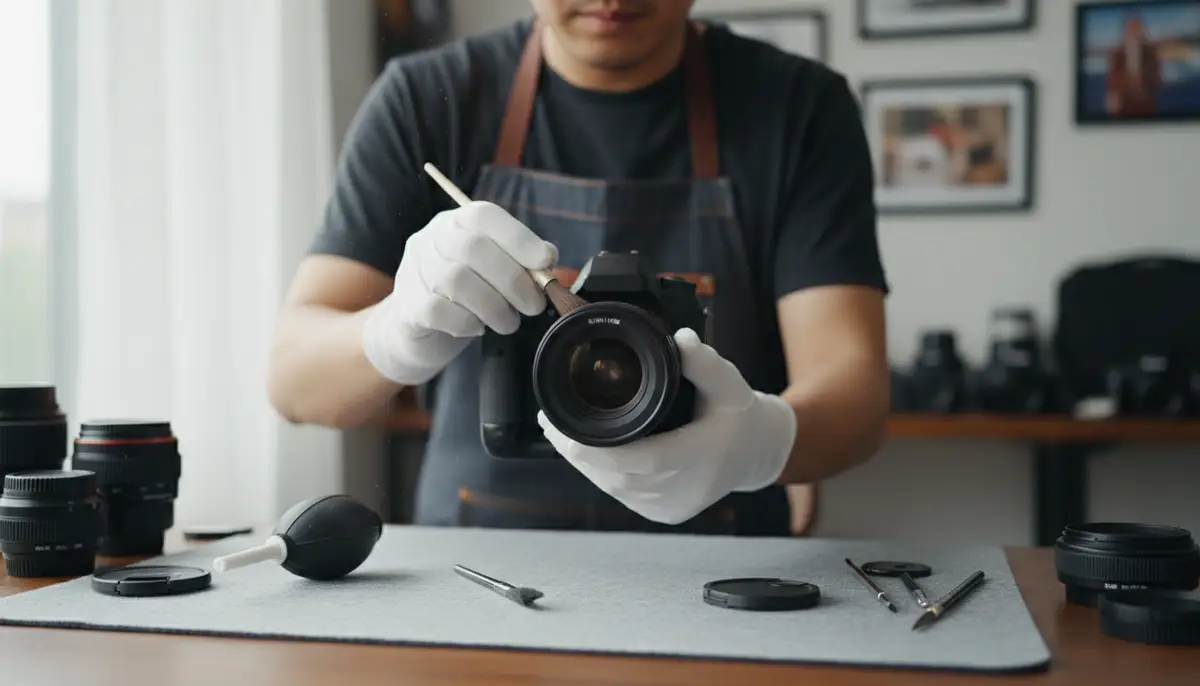
Proper camera care and maintenance are also crucial. Keep your camera clean and free from dust and debris. Store it in a dry, temperate environment. Extreme heat or cold can affect mechanical components. Avoid dropping your camera or subjecting it to harsh impacts. These actions can misalign the shutter mechanism. Regular cleaning and careful handling contribute significantly to its longevity. This attention to detail helps maintain a healthy shutter count.
Consider the environment where you shoot. Sandy beaches or dusty deserts can introduce fine particles into the camera body. These particles can interfere with the delicate shutter mechanism. Use a protective cover or change lenses in a clean, sheltered area. These small precautions can make a big difference. They help protect your camera’s most vulnerable moving part. They ensure your understanding of what is shutter count is matched by proactive care.
For a visual guide on why your camera’s shutter life matters and how to manage it, watch this informative video:
. It offers practical advice and insights. This video complements your understanding of what is shutter count. It empowers you to take better care of your valuable photography equipment.
Electronic Shutter vs. Mechanical Shutter: The Future of Actuations
The rise of mirrorless cameras has brought the electronic shutter to the forefront. An electronic shutter works by rapidly reading data off the camera’s sensor. It doesn’t involve any moving parts. This offers several significant advantages. It allows for completely silent shooting. It enables much faster shutter speeds than mechanical shutters. Crucially, it generates zero mechanical shutter actuations. This means it doesn’t contribute to your camera’s shutter count or wear and tear.
However, electronic shutters are not without their drawbacks. The most common issue is rolling shutter effect. This occurs when the sensor reads data line by line. Fast-moving subjects can appear distorted. This effect is less pronounced in newer, more advanced sensors. Another potential issue is banding under certain artificial lights. These lights can flicker at a rate that interferes with the sensor’s readout. Despite these challenges, the technology is rapidly improving. This will make electronic shutters even more viable for various photographic scenarios. This evolution changes the conversation around what is shutter count.
The trend in 2025 is clear. Camera manufacturers are increasingly prioritizing electronic shutter performance. Many high-end mirrorless cameras now offer impressive electronic shutter capabilities. They are often the preferred choice for sports, wildlife, and event photography. This shift means that for many photographers, what is shutter count might become less relevant over time. As electronic shutters become more refined, mechanical shutters may see less use in daily shooting. This is especially true for those who prioritize speed and silence.
Photography apps like Camera ZOOM FX leverage software to push the boundaries of camera performance. They enhance features like ultra fast capture. This allows you to capture fleeting moments without relying solely on the mechanical shutter. Our app provides professional controls and stunning filters. It optimizes your phone’s camera for high-quality results. While traditional cameras still track what is shutter count, mobile photography offers a different paradigm. It focuses on software-driven performance without mechanical limitations.
When comparing solutions, companies like picsart.com, afterlight.co, and snapseed.online offer robust editing and creative tools. Camera ZOOM FX, however, focuses on the core shooting experience. We provide advanced camera controls and fast performance. This allows you to capture the best possible image directly. This approach complements the evolving camera technology. It offers a powerful alternative for photographers. It allows them to focus on capturing moments rather than worrying about what is shutter count on a mechanical device.
Beyond Shutter Count: Other Factors for Camera Health
While what is shutter count is important, it’s not the only factor in camera health. A camera is a complex piece of equipment. Many other components contribute to its overall performance and longevity. Ignoring these can lead to problems, even with a low shutter count. Always consider the camera holistically. This ensures you have a reliable and high-performing tool for your photography.
The condition of the sensor is paramount. Dust spots on the sensor can ruin images. Scratches are even worse. Always check the sensor carefully, especially on used cameras. A dirty sensor can be cleaned. A scratched sensor often requires expensive replacement. This can be more costly than a shutter repair. A pristine sensor is a sign of a well-cared-for camera, regardless of what is shutter count.
Body wear and tear also matter. Dents, scuffs, or loose parts can indicate rough handling. These issues might affect weather sealing. They could also compromise internal components. Check the lens mount for excessive wear. Ensure all buttons and dials function smoothly. A camera that looks well-maintained externally often suggests good internal care too. This visual inspection provides additional clues about the camera’s history.
Battery health is another often-overlooked aspect. Rechargeable batteries degrade over time. A worn-out battery will hold less charge. It will require more frequent recharging. This can be a significant inconvenience during long shoots. Ask about the battery’s condition. Consider budgeting for new batteries if buying a used camera. This ensures consistent power and performance. It’s a small but important detail.
Finally, keep your camera’s firmware updated. Manufacturers regularly release firmware updates. These updates often improve performance, add new features, or fix bugs. Outdated firmware can sometimes lead to compatibility issues or suboptimal performance. Regularly checking for and installing updates helps keep your camera running smoothly. It’s a simple step to ensure your camera’s software is as healthy as its hardware. This holistic approach ensures your camera is always ready to capture incredible images, whether you’re using live effects & filters, or shooting in manual mode.
When is it Time for a Shutter Replacement or a New Camera?
The most obvious sign of shutter failure is inconsistent performance. You might get blank frames. Or your images might have uneven exposure. Sometimes, the camera will display an error message. If your camera is exhibiting these symptoms, especially with a high shutter count, it’s likely time for a shutter replacement. This is a common repair for older, heavily used cameras. However, it’s not always the most economical solution.
The cost of a shutter replacement can vary. It depends on the camera model and the service center. For many entry-level or mid-range cameras, a shutter replacement can cost a significant percentage of the camera’s current market value. Sometimes, it’s more cost-effective to put that money towards a new camera. This is especially true if your camera is several generations old. Consider the total cost of repair versus buying a new or newer used model. This financial analysis helps you decide what is shutter count’s true impact.
Making an informed decision requires weighing several factors. How much do you love your current camera? Are there features in newer models that you desperately need? Is your current lens collection compatible with a new body? If the repair cost is high and newer cameras offer significant upgrades, a new purchase might be the smarter choice. If you love your current model and the repair is reasonable, then fixing it makes sense. Always consider the long-term value and your photographic needs. This helps you decide the best path forward for your gear. It ensures you don’t just react to what is shutter count, but plan strategically.
Conclusion: Your Camera’s Heartbeat – Understanding What is Shutter Count
In conclusion, what is shutter count is far more than just a number. It’s a critical indicator of your camera’s health and longevity. It tells you how much life remains in its most active mechanical component. Understanding this metric empowers you. You can make better decisions when buying or selling used gear. You can also take proactive steps to extend the life of your current camera. This knowledge is invaluable for any photographer in 2025.
By knowing how to find your camera’s shutter count, you gain transparency. You can assess its wear and tear accurately. By employing strategies to maximize shutter life, you protect your investment. The shift towards electronic shutters in modern mirrorless cameras is changing the landscape. However, the mechanical shutter still holds importance. It remains a key consideration for many photographers. This ongoing evolution means staying informed is more crucial than ever.
Ultimately, your camera is a tool for creative expression. Taking good care of it ensures it performs reliably when you need it most. So, embrace the knowledge of what is shutter count. Combine it with overall camera care. This approach will help you capture countless more memories and stunning images for years to come. Happy shooting!