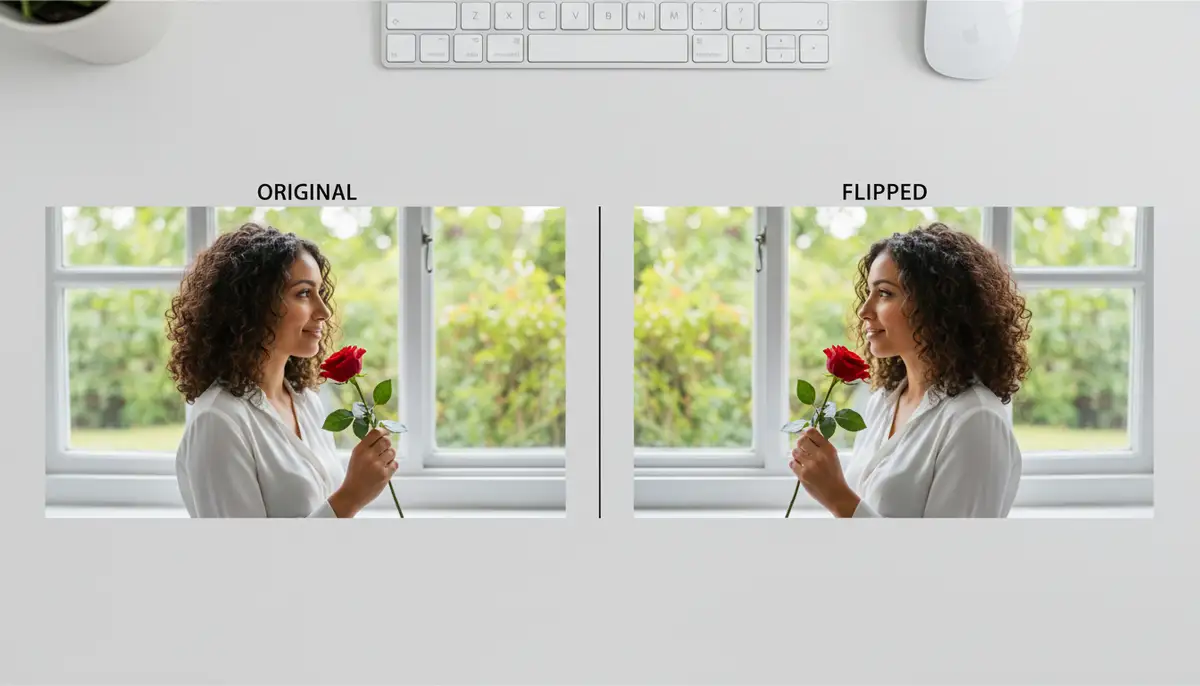
Introduction: Why Knowing How to Flip an Image in Pixlr is Essential
In today’s visual world, image editing skills are more important than ever. Whether you are a professional designer or a casual photographer, you often need quick, effective tools. Pixlr stands out as a powerful, free online photo editor. It offers a wide range of features, including a straightforward way to adjust your images. One common task you might encounter is needing to flip an image. This guide will show you exactly how to flip an image in Pixlr, covering both Pixlr X and Pixlr E, so you can master this essential technique by 2025.
Flipping an image can dramatically change its composition. It can fix awkward orientations or create compelling visual effects. You might need to mirror a landscape or correct a selfie that looks off. Understanding how to flip an image in Pixlr is a fundamental skill. It opens up many creative possibilities for your photos. Let’s dive into the details and make you a Pixlr flipping expert.
Understanding Pixlr X and Pixlr E: Two Powerful Tools
Before we learn how to flip an image in Pixlr, it’s helpful to know about its two main versions. Pixlr X is designed for quick, easy edits. It has a modern, user-friendly interface. Pixlr E, on the other hand, is a more advanced editor. It offers complex tools similar to desktop software. Both versions allow you to flip images, but the steps are slightly different. We will explore both methods so you are prepared for any editing task.
Choosing between Pixlr X and Pixlr E depends on your needs. If you want fast, basic adjustments, Pixlr X is your go-to. For more detailed work, layers, and advanced transformations, Pixlr E is better. Regardless of your choice, the ability to flip an image is readily available. This flexibility makes Pixlr a versatile tool for everyone, from beginners to experienced editors.
How to Flip an Image in Pixlr X: The Quick Method
Pixlr X is perfect for quick edits. Flipping an image here is incredibly simple. You can achieve this with just a few clicks. Follow these steps to learn how to flip an image in Pixlr X efficiently.
Step-by-Step Guide for Pixlr X
- 1. Open Pixlr X: Go to the Pixlr website and select ‘Pixlr X’ from the options. Click ‘Open Image’ to load the photo you want to edit from your computer. You can also drag and drop your image directly into the editor.
- 2. Navigate to Adjust & Filter: On the left-hand sidebar, you will see various editing tools. Look for the ‘Adjust & Filter’ icon, which often looks like a sun or a slider. Click on it to open the adjustment panel.
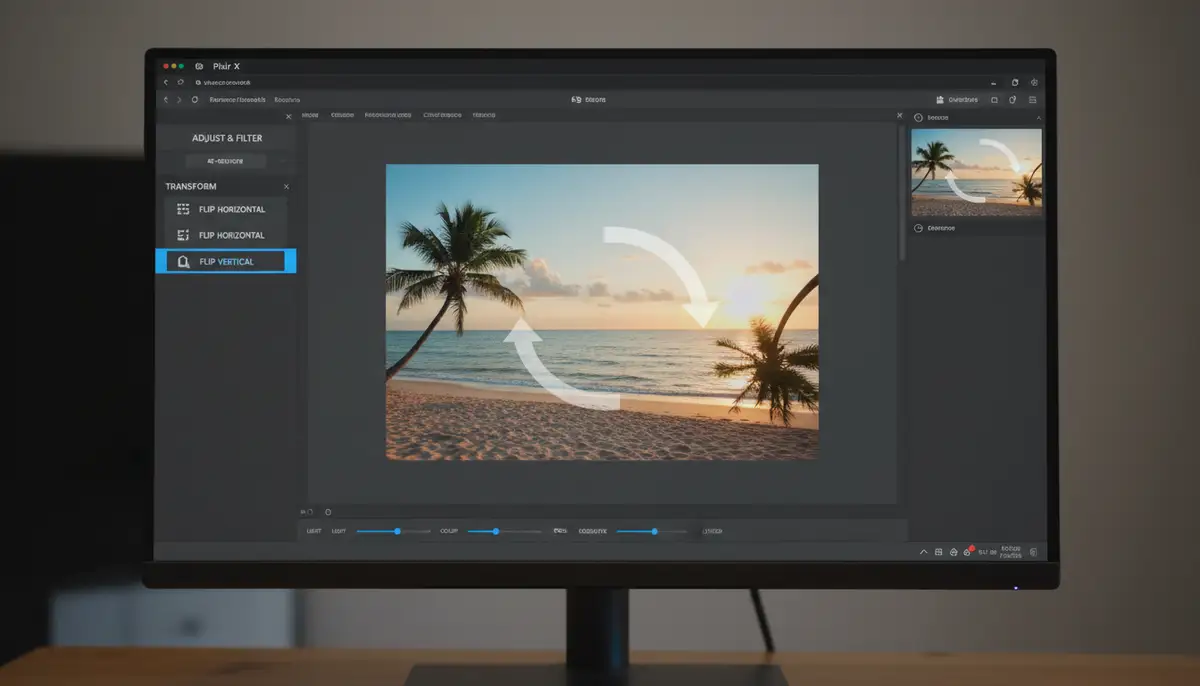
- 3. Find the Flip Options: Within the ‘Adjust & Filter’ panel, scroll down until you find the ‘Flip’ section. You will typically see two distinct options: ‘Flip Horizontal’ and ‘Flip Vertical’.
- 4. Apply the Flip: Click ‘Flip Horizontal’ to mirror your image from left to right. Click ‘Flip Vertical’ to turn your image upside down, mirroring it top to bottom. You will see the change happen instantly on your canvas.
- 5. Save Your Work: Once you are happy with the flipped image, click the ‘Save’ button. This is usually located in the bottom right corner. Choose your desired format (JPG, PNG, WebP) and quality settings, then download your new image.
This method is straightforward and fast. It’s ideal for simple adjustments where you just need to reverse the orientation. Many users find Pixlr X incredibly intuitive for tasks like this. It helps you get your images ready for social media or presentations quickly. Knowing how to flip an image in Pixlr X saves you valuable time.
How to Flip an Image in Pixlr E: The Advanced Method
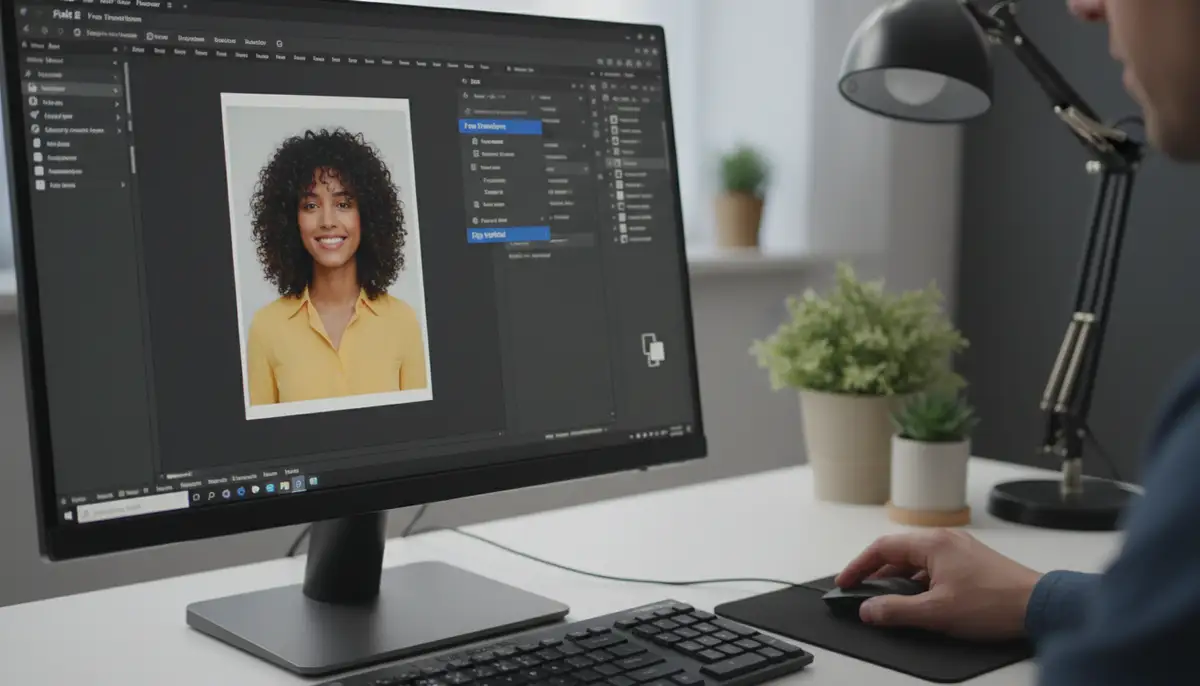
Pixlr E offers more granular control over your edits. Flipping an image here involves using the ‘Free Transform’ tool. This gives you greater flexibility, especially if you are working with layers. Let’s explore how to flip an image in Pixlr E.
Step-by-Step Guide for Pixlr E
- 1. Open Pixlr E: Navigate to the Pixlr website and choose ‘Pixlr E’. Open your image by clicking ‘Open Image’ or by dragging it into the editor. If your image has multiple layers, make sure you select the correct layer you wish to flip in the ‘Layers’ panel.
- 2. Access Free Transform: Go to the top menu bar. Click on ‘Edit’. From the dropdown menu, select ‘Free Transform’. You will see a bounding box appear around your image or selected layer.
- 3. Right-Click for Flip Options: With the ‘Free Transform’ box active, right-click anywhere on your image within the bounding box. A context menu will appear. Here, you will find options like ‘Flip Horizontal’ and ‘Flip Vertical’.
- 4. Apply the Flip: Choose ‘Flip Horizontal’ to mirror the image left-to-right. Select ‘Flip Vertical’ to mirror it top-to-bottom. The transformation will apply instantly. You can also combine flipping with other transformations like rotation if needed. If you want to rotate an image, Pixlr also provides dedicated tools to rotate images easily.
- 5. Confirm and Save: After flipping, click outside the bounding box or press ‘Enter’ to confirm the transformation. Then, click ‘File’ in the top left corner and select ‘Save’. Choose your preferred format and quality, then download.
The ‘Free Transform’ tool in Pixlr E is very powerful. It allows you to do more than just flip. You can also resize, rotate, and skew your images. This flexibility is why many advanced users prefer Pixlr E for detailed work. Mastering how to flip an image in Pixlr E provides a higher level of control for your projects.
Creative Applications: Beyond Basic Flipping
Flipping an image isn’t just for fixing mistakes. It’s a fantastic tool for creative expression. You can transform ordinary photos into artistic masterpieces. Let’s explore some innovative ways to use this feature. Knowing how to flip an image in Pixlr opens up new artistic avenues.
Creating Mirror Effects and Reflections
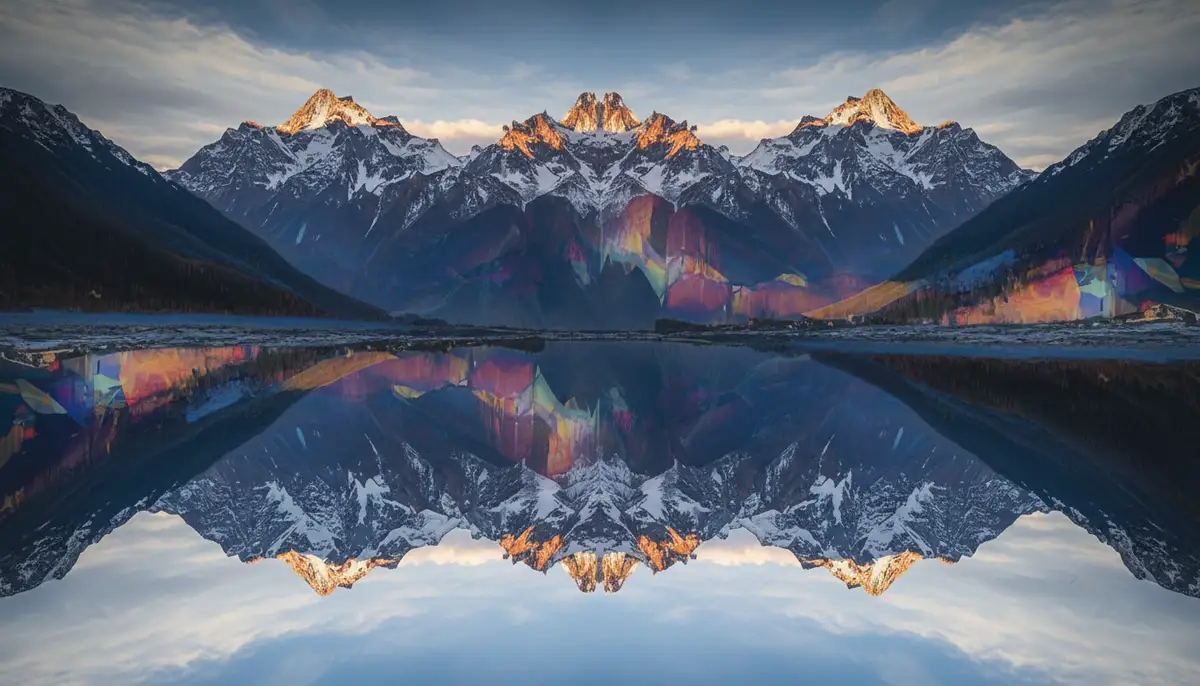
One popular technique is creating a mirror image or reflection effect. This involves duplicating your image, flipping one copy, and then positioning it carefully. Pixlr makes this process quite simple. You can achieve stunning symmetrical compositions. For more detailed guidance, Pixlr offers a great resource on how to create a reflection effect that details the steps for this advanced technique.
- 1. Duplicate Your Layer: In Pixlr E, open your image. Go to the ‘Layers’ panel and right-click on your image layer. Select ‘Duplicate Layer’. You now have two identical copies.
- 2. Flip One Layer: Select the duplicated layer. Go to ‘Edit’ > ‘Free Transform’. Right-click on the image and choose ‘Flip Vertical’ (for a water reflection) or ‘Flip Horizontal’ (for a mirror effect).
- 3. Position and Blend: Use the ‘Move’ tool (the arrow icon) to drag the flipped layer into position. For reflections, place it directly below or beside the original. You might need to adjust the opacity of the flipped layer to make it look more natural. This creates a realistic reflection effect.
- 4. Refine Edges (Optional): Use the eraser tool with a soft brush to gently blend the edges of the flipped image. This makes the reflection seem more organic. You can also use a gradient mask for smoother transitions.
This technique adds depth and artistic flair to your photographs. It’s especially effective with landscapes, portraits, or abstract art. Companies like Camera ZOOM FX, a powerful Android photography app, understand the importance of creative controls. They offer stunning filters and professional controls to help you capture high-quality results. Pixlr complements such apps by providing robust post-processing options online. You can also explore Pixlr’s mirror image effect features for quick, AI-powered reflections.
Correcting Composition and Symmetry
Sometimes, a photo just feels ‘off.’ Flipping can often fix this. For example, if a subject is looking out of the frame, flipping the image can make them look into the frame instead. This improves the overall balance of your composition. It guides the viewer’s eye more effectively. Knowing how to flip an image in Pixlr gives you control over visual flow.
Consider a portrait where the subject’s gaze leads off the canvas. A simple horizontal flip can reverse this. It directs their attention back towards the center. This creates a more engaging and balanced image. It’s a subtle change that can make a huge difference in how your photo is perceived. You can use this trick to enhance almost any photo.
Working with Text and Logos
When integrating text or logos into designs, you might need to flip them. This is especially true for mock-ups or designs meant for specific orientations. Imagine creating a design for a transparent surface viewed from the other side. You would need to flip the text horizontally. Pixlr handles this seamlessly, ensuring your text remains editable even after flipping the layer.
Always remember that flipping text layers will make the text appear mirrored. If you intend for it to be readable, you might need to flip the entire canvas or combine it with other elements. However, for artistic effects or specific design requirements, flipping text is a valuable tool. It allows for unique visual arrangements that catch the eye.
Common Scenarios for Flipping Images
There are many practical reasons why you might need to flip an image. Let’s look at some common scenarios where knowing how to flip an image in Pixlr comes in handy. These everyday situations highlight the versatility of this simple editing function.
| Scenario | Why Flipping Helps | Pixlr Tool |
|---|---|---|
| Selfies/Portraits | Corrects ‘mirror image’ effect, improves gaze direction. | Pixlr X or E (Flip Horizontal) |
| Landscape Photography | Creates stunning reflections in water or glass. | Pixlr E (Duplicate Layer, Flip Vertical) |
| Graphic Design | Mirrors elements for symmetry or specific layouts. | Pixlr E (Free Transform, Flip) |
| Product Photography | Shows product from a different angle without reshooting. | Pixlr X or E (Flip Horizontal/Vertical) |
| Meme Creation | Adds a humorous twist or visual gag. | Pixlr X (Flip Horizontal/Vertical) |
As you can see, flipping images is not just a niche feature. It’s a versatile tool for many different creative and practical needs. Whether you are adjusting a quick photo or working on a complex design, Pixlr provides the functionality you need. This makes it an invaluable asset in your digital toolkit. Knowing how to flip an image in Pixlr truly enhances your editing capabilities.
Integrating Flipping with Other Pixlr Tools
Flipping an image is often just one step in a larger editing process. Pixlr offers a suite of tools that work well together. Combining flipping with other adjustments can yield even more impressive results. Think about how you might combine flipping with cropping, resizing, or color correction. This integrated approach elevates your final image.
For instance, after you learn how to flip an image in Pixlr, you might want to crop it. Cropping helps to refine the composition and remove unwanted elements. Or, you might adjust the colors to match the new orientation’s mood. These combined efforts create a polished, professional look. Experimenting with different tools together is key to unlocking Pixlr’s full potential.
Sometimes, you might also need to rotate an image. Pixlr offers robust rotation features in both Pixlr X and Pixlr E. You can find these options usually near the flip tools or under the ‘Arrange’ or ‘Crop’ sections. For a quick visual guide on these functions, check out this helpful video:
. This video provides a concise overview of both flipping and rotating, perfect for visual learners.
Tips for Optimal Image Editing in Pixlr
Beyond just knowing how to flip an image in Pixlr, there are best practices that will improve all your photo editing. These tips apply whether you’re using Pixlr, Snapseed, PicsArt, or even a professional photography app like Camera ZOOM FX. Following these guidelines ensures high-quality results every time.
- Work with High-Resolution Images: Always start with the best possible image quality. This gives you more flexibility for edits without losing detail.
- Use Layers (Pixlr E): For complex edits, use layers. This allows non-destructive editing, meaning you can always go back and adjust individual elements.
- Save Regularly: Especially with online editors, save your work frequently. This prevents losing progress due to internet issues or accidental closures.
- Experiment with Effects: Don’t be afraid to try different filters and effects. Pixlr has a vast library that can dramatically alter the mood of your photos.
- Understand Your Tools: Take time to learn what each tool does. The more you know, the more creative you can be. For example, understanding how to check shutter count on your camera can give you insights into its lifespan, which is crucial for serious photographers, and we have a comprehensive guide on how to check shutter count to help you with that.
Applying these tips will make your Pixlr experience much smoother. It will also help you achieve professional-looking results. Good editing practices are fundamental, regardless of the software you use. Whether you are updating your social media profile or preparing images for a website, these guidelines are invaluable. Staying updated on your tools, like learning how to update Snapchat Android for the best experience, is just as important as mastering editing techniques.
Troubleshooting Common Flipping Issues
While learning how to flip an image in Pixlr is generally straightforward, you might encounter minor issues. Here are some common problems and how to solve them. These quick fixes will help you get back on track quickly.
- Issue: Image doesn’t flip: Ensure you have selected the correct layer (in Pixlr E) or that the image is fully loaded (in Pixlr X). Sometimes a slow internet connection can cause delays.
- Issue: Only part of the image flips: In Pixlr E, this means you likely only selected a specific layer or a portion of the image with a selection tool. Make sure no active selections are present, or select the entire layer you wish to flip.
- Issue: Quality loss after flipping: This is rare with simple flips. If it occurs, check your save settings. Always save in a high-quality format like PNG or JPG with maximum quality. Starting with a high-resolution original image also helps maintain quality.
- Issue: Cannot find the flip options: In Pixlr X, look under ‘Adjust & Filter’. In Pixlr E, it’s under ‘Edit’ > ‘Free Transform’ (then right-click). The interface can change slightly with updates, but these locations are generally consistent.
Most issues are easily resolved by checking your steps or selections. Pixlr is a robust editor, but user error is common. Taking a moment to review your process can save you frustration. Now you know how to flip an image in Pixlr and troubleshoot common problems.
Pixlr in the Photo Editing Landscape: Competitors and Alternatives
Pixlr is a fantastic online editor, but it’s part of a larger ecosystem of photo editing tools. Companies like snapseed.online and picsart.com also offer robust solutions. Each platform has its strengths and weaknesses. Understanding these differences can help you choose the best tool for your specific needs. While this guide focuses on how to flip an image in Pixlr, it’s good to know your options.
Snapseed is known for its powerful mobile editing capabilities and intuitive interface. PicsArt offers a wide range of creative tools, including collage makers and sticker creators. Pixlr, with its X and E versions, provides a strong balance between ease of use and advanced features, all accessible directly in your web browser. For professional photographers, dedicated desktop software or apps like Camera ZOOM FX offer even more precise control over aspects like exposure, focus, and white balance, ensuring you capture the perfect shot before you even start editing.
Ultimately, the best tool depends on your workflow and desired outcome. For quick, online edits, Pixlr remains a top contender. Its accessibility and feature set make it a go-to for many users. Knowing how to flip an image in Pixlr means you’re proficient in one of the leading online editors available today.
Conclusion: Master How to Flip an Image in Pixlr Today
You now have a complete understanding of how to flip an image in Pixlr. We’ve covered both the quick method in Pixlr X and the more advanced technique in Pixlr E. You’ve also learned about creative applications, common scenarios, and essential editing tips. This skill is more than just a simple trick; it’s a powerful tool for enhancing your photos and expressing your creativity.
Whether you are correcting a misaligned photo, creating a stunning reflection, or simply experimenting with new looks, Pixlr provides the means. Its user-friendly interface and robust features make it an excellent choice for all your image editing needs. Keep practicing these techniques, and you’ll soon be flipping images like a pro. The ability to quickly and effectively manipulate your images is a valuable asset in the digital age. Continue to explore Pixlr’s other features to expand your editing prowess.
Ready to take your photography and editing to the next level? Explore more advanced techniques and tools. For those looking for stability and precision in their photography, consider enhancing your gear with a steady shot stabilizer.